
The Clothing Industry
The Clothing Industry
Kenya's economy can never grow when we keep buying imported clothing. Table A below illustrates a fraction of the money we lose as a nation by depending on imported clothes.
Beyond 2040 Project
Kenya has a population of almost 50 million people. The Tree Foods System digital marketplace is working to capture a 10 million-consumer market that will wear our locally manufactured clothing. Through this initiative, we will transform consumer spending into a powerful engine for local production and job creation. Instead of allowing billions of shillings to flow out of the country through imported clothing, our Circular Economy model redirects this spending into Kenyan factories, local businesses, farmers, workers, and communities. This is how we plan to build a clothing industry that creates jobs, generates wealth, and transforms Nairobi into a major hub for apparel manufacturing meant to offer women and youths sustainable Employment.
As you buy imported clothing you help shift out of kenya over KES 1. Trillion
Type of cloths | Projected minimum cash (KE) | Number of people purchasing | Approximate Month 1- 12 | Total (KE) |
Men’s suit | 10,000 | 10,000,000 | 3 times in an year | 300 billion |
Women skirts suits | 10,000 | 10,000,000 | 4 times in an year | 400 billion |
Blouses / shirts | 1,000 | 10,000,000 | 6 times in an year | 60 billion |
Hand ker chiefs | 100 | 10,000,000 | 8 times in an year | 8 billion |
Women / men trousers | 1,000 | 10,000,000 | 4 times in an year | 40 billion |
Women Bickers | 500 | 10,000,000 | 6 times in an year | 20 billion |
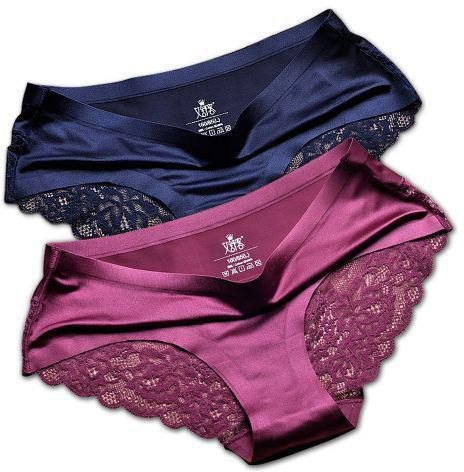
women panties | 500 | 10,000,000 | 6 times in an year | 20 billion |
Women dress | 2,000 | 10,000,000 | 4 times in an year | 80 billion |
Jackets men / women | 2,000 | 10,000,000 | 3 times in a year | 60 billion |
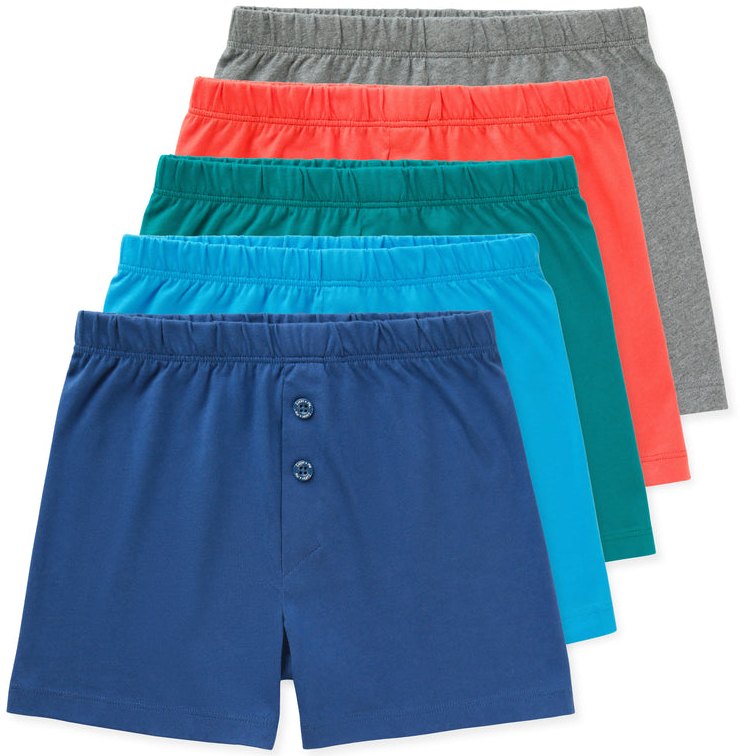
Men boxers | 100 | 10,000,000 | 6 times in an year | 6 billion |
Women scuffs | 500 | 10,000,000 | 4 times in an year | 20 billion |
Women / Men t-shirts | 500 | 10,000,000 | 6 times in an year | 30 billion |
KES 1.064 trillion |
This represents part of the revenue we plan to capture and redirect toward building housing and providing healthcare for all consumers on the Tree Foods System digital wallet.
Nairobi Beyond 2040: The Future of Job Creation
We cannot sit and wait for jobs to create themselves. We must deliberately create jobs, build industries, support businesses, and develop opportunities that enable our people to earn a dignified livelihood.
As Nairobi’s population continues to grow, we must develop the infrastructure, industries, businesses, and economic systems needed to create millions of new jobs and sustainable livelihoods.
Tree Food system is developing the structures that will enable mass job creation in Nairobi and Kenya be possible
63 years since independence we have sat and hoped our leaders would build factories, instead most are exporters and importers, just working to develop personal family wealth while millions of Kenyans sink lower in poverty, we must unite and develop our path out of poverty.

To enable Nairobi to become a hub for clothing production, we plan to build 68 business centers across Nairobi—34 will specialize in clothing and 34 will specialize in leather.
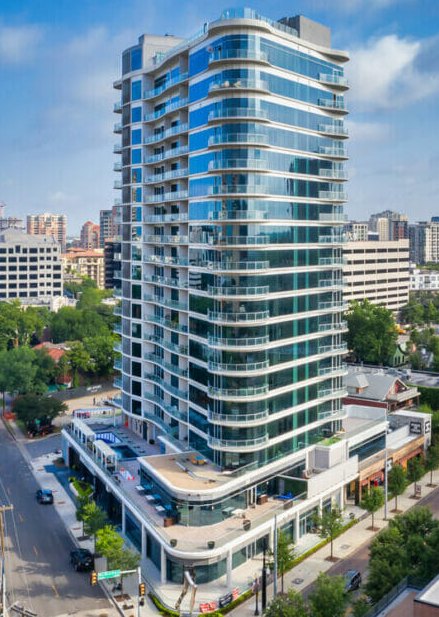
Nairobi comprises 17 sub-counties, where we plan to construct 4 buildings per sub-county. Each 12-story building will accommodate 200 workers per floor at an estimated cost of KES 4 billion per building.
Some of the Type of clothing’s we will make in Nairobi
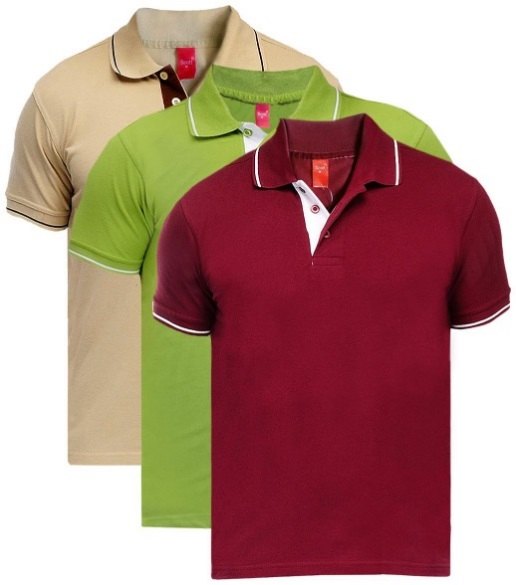


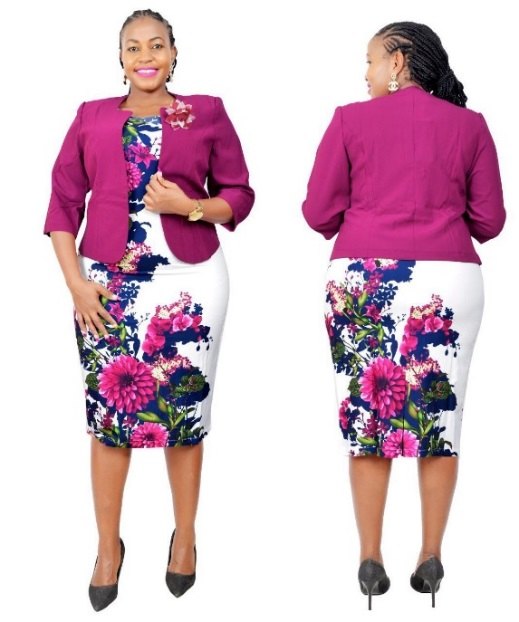
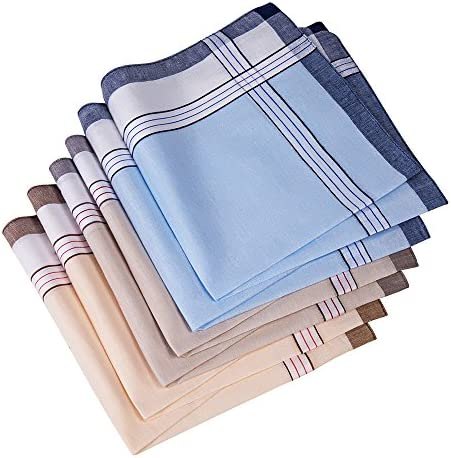

This initiative will create 40,800 direct jobs in Nairobi County within the clothing and textile sector.
Among many others
The Tree Foods System is transforming Nairobi into a global hub for clothing and leather. The information below explains which types of clothing will be produced in each sub-county and across the 85 wards in Nairobi.
Empowering Women Through 34 Job Creation Hubs Across Nairobi County
No. | Nairobi Sub- county | Nairobi Wards | No. of structures per sub- county | NO. of workers in one structure in one shift | No of shifts In 24 hours | Clothing type Medium, large | No. of Jobs per county |
1 | Starehe | Nairobi Central, Ngara, Pangani, Ziwani/Kariokor, Landimawe and Nairobi South | 2 | 200 | 2 | office skirts | 800 |
2 | Kamukunji | Pumwani, Eastleigh North, Eastleigh South, Airbase and California | 2 | 200 | 2 | Blouses | 800 |
3 | Kasarani | Clay City, Mwiki, Kasarani, Njiru and Ruai | 2 | 200 | 2 | Long skirt | 800 |
4 | Roysambu | Githurai, Kahawa West, Zimmerman, Roysambu and Kahawa | 2 | 200 | 2 | Skirt suits | 800 |
5 | Ruaraka | Baba Dogo, Utalii, Mathare North, Lucky Summer and Korogocho | 2 | 200 | 2 | Trouser suits | 800 |
6 | Makadara | Maringo/Hamza, Viwandani, Harambee and Makongeni | 2 | 200 | 2 | Trouser | 800 |
7 | Embakasi south | Imara Daima, Kwa Njenga, Kwa Reuben, Pipeline and Kware | 2 | 200 | 2 | Inner wears | 800 |
8 | Embakasi north | Kariobangi North, Dandora Area I, Dandora Area II, Dandora Area III and Dandora Area IV | 2 | 200 | 2 | Jackets | 800 |
9 | Embakasi central | Kayole North, Kayole Central, Kayole South, Komarock and Matopeni/Spring Valley | 2 | 200 | 2 | Stockings | 800 |
10 | Embakasi east | Upper Savana, Lower Savana, Embakasi, Utawala and Mihango | 2 | 200 | 2 | Head scuffs | 800 |
11 | Embakasi west | Umoja I, Umoja II, Mowlem and Kariobangi South | 2 | 200 | 2 | Night dress | 800 |
12 | Dagoretti north | Kilimani, Kawangware, Gatina, Kileleshwa and Kabiro | 2 | 200 | 2 | African wear | 800 |
13 | Dagoretti south | Mutuini, Ngando, Riruta, Uthiru/Ruthimitu and Waithaka | 2 | 200 | 2 | T-shirts | 800 |
14 | langata | Karen, Nairobi West, Mugumo-ini, South C and Nyayo Highrise | 2 | 200 | 2 | Pet coats | 800 |
15 | Westlands | Kitisuru, Parklands/Highridge, Karura, Kangemi and Mountain view | 2 | 200 | 2 | Bra | 800 |
16 | Kibra | Laini Saba, Lindi, Makina, Woodley/Kenyatta Golf Course and Sarang’ombe | 2 | 200 | 2 | Long Dress | 800 |
17 | mathare | Hospital, Mabatini, Huruma, Ngei, Mlango Kubwa and Kiamaiko | 2 | 200 | 2 | Normal size dress | 800 |
Total | 13,600 | ||||||
Each sub-county will have 200 women working per shift, with two 8-hour shifts per day. This will provide 300 employees per building over a 24-hour period. With two buildings in each of Nairobi’s 17 sub-counties, the project will create a total of 13,600 employment opportunities.
Calculation: 200 × 2 shifts × 2 buildings × 17 sub-counties = 13,600 employees
Empowering Men Through 34 Job Creation Hubs Across Nairobi County
No. | Nairobi Sub- county | Nairobi Wards | No. of structure per sub- county | NO. of workers in one structure in one shift | No of shifts In 24 hours | cloths Medium, large | No. of Jobs per county |
1 | Starehe | Nairobi Central, Ngara, Pangani, Ziwani/Kariokor, Landimawe and Nairobi South | 2 | 200 | 2 | Casual shirts | 800 |
2 | Kamukunji | Pumwani, Eastleigh North, Eastleigh South, Airbase and California | 2 | 200 | 2 | Office shirts | 800 |
3 | Kasarani | Clay City, Mwiki, Kasarani, Njiru and Ruai | 2 | 200 | 2 | Trousers | 800 |
4 | Roysambu | Githurai, Kahawa West, Zimmerman, Roysambu and Kahawa | 2 | 200 | 2 | suits | 800 |
5 | Ruaraka | Baba Dogo, Utalii, Mathare North, Lucky Summer and Korogocho | 2 | 200 | 2 | Three piece suits | 800 |
6 | Makadara | Maringo/Hamza, Viwandani, Harambee and Makongeni | 2 | 200 | 2 | Shorts | 800 |
7 | Embakasi south | Imara Daima, Kwa Njenga, Kwa Reuben, Pipeline and Kware | 2 | 200 | 2 | boxers | 800 |
8 | Embakasi north | Kariobangi North, Dandora Area I, Dandora Area II, Dandora Area III and Dandora Area IV | 2 | 200 | 2 | Jackets | 800 |
9 | Embakasi central | Kayole North, Kayole Central, Kayole South, Komarock and Matopeni/Spring Valley | 2 | 200 | 2 | Half courts | 800 |
10 | Embakasi east | Upper Savana, Lower Savana, Embakasi, Utawala and Mihango | 2 | 200 | 2 | Ties | 800 |
11 | Embakasi west | Umoja I, Umoja II, Mowlem and Kariobangi South | 2 | 200 | 2 | Pajama | 800 |
12 | Dagoretti north | Kilimani, Kawangware, Gatina, Kileleshwa and Kabiro | 2 | 200 | 2 | African men wear | 800 |
13 | Dagoretti south | Mutuini, Ngando, Riruta, Uthiru/Ruthimitu and Waithaka | 2 | 200 | 2 | T-shirts | 800 |
14 | langata | Karen, Nairobi West, Mugumo-ini, South C and Nyayo Highrise | 2 | 200 | 2 | Socks | 800 |
15 | Westlands | Kitisuru, Parklands/Highridge, Karura, Kangemi and Mountain view | 2 | 200 | 2 | Vests | 800 |
16 | Kibra | Laini Saba, Lindi, Makina, Woodley/Kenyatta Golf Course and Sarang’ombe | 2 | 200 | 2 | Hand kerchiefs | 800 |
17 | mathare | Hospital, Mabatini, Huruma, Ngei, Mlango Kubwa and Kiamaiko | 2 | 200 | 2 | Sweaters | 800 |
Total | 13,600 | ||||||
Each sub-county will have 200 men working per shift, with two 8-hour shifts per day. This will provide 300 employees per building over a 24-hour period. With two buildings in each of Nairobi’s 17 sub-counties, the project will create a total of 13,600 employment opportunities.
Calculation: 200 × 2 shifts × 2 buildings × 17 sub-counties = 13,600 employees
Empowering Youths Through 34 Job Creation Hubs Across Nairobi County
No. | Nairobi Sub- county | Nairobi Wards | No. of structure per sub-county | NO. of workers in one structure in one shift | No of shifts In 24 hours | cloths Medium, large | No. of Jobs per county |
1 | Starehe | Nairobi Central, Ngara, Pangani, Ziwani/Kariokor, Landimawe and Nairobi South | 2 | 200 | 2 | Casual shirts | 800 |
2 | Kamukunji | Pumwani, Eastleigh North, Eastleigh South, Airbase and California | 2 | 200 | 2 | Office shirts | 800 |
3 | Kasarani | Clay City, Mwiki, Kasarani, Njiru and Ruai | 2 | 200 | 2 | Trousers | 800 |
4 | Roysambu | Githurai, Kahawa West, Zimmerman, Roysambu and Kahawa | 2 | 200 | 2 | Skirt suits | 800 |
5 | Ruaraka | Baba Dogo, Utalii, Mathare North, Lucky Summer and Korogocho | 2 | 200 | 2 | Three piece suits | 800 |
6 | Makadara | Maringo/Hamza, Viwandani, Harambee and Makongeni | 2 | 200 | 2 | Shorts | 800 |
7 | Embakasi south | Imara Daima, Kwa Njenga, Kwa Reuben, Pipeline and Kware | 2 | 200 | 2 | boxers | 800 |
8 | Embakasi north | Kariobangi North, Dandora Area I, Dandora Area II, Dandora Area III and Dandora Area IV | 2 | 200 | 2 | Jackets | 800 |
9 | Embakasi central | Kayole North, Kayole Central, Kayole South, Komarock and Matopeni/Spring Valley | 2 | 200 | 2 | Half courts | 800 |
10 | Embakasi east | Upper Savana, Lower Savana, Embakasi, Utawala and Mihango | 2 | 200 | 2 | Ties | 800 |
11 | Embakasi west | Umoja I, Umoja II, Mowlem and Kariobangi South | 2 | 200 | 2 | Pajama | 800 |
12 | Dagoretti north | Kilimani, Kawangware, Gatina, Kileleshwa and Kabiro | 2 | 200 | 2 | African wear | 800 |
13 | Dagoretti south | Mutuini, Ngando, Riruta, Uthiru/Ruthimitu and Waithaka | 2 | 200 | 2 | T-shirts | 800 |
14 | langata | Karen, Nairobi West, Mugumo-ini, South C and Nyayo Highrise | 2 | 200 | 2 | Socks | 800 |
15 | Westlands | Kitisuru, Parklands/Highridge, Karura, Kangemi and Mountain view | 2 | 200 | 2 | Vests | 800 |
16 | Kibra | Laini Saba, Lindi, Makina, Woodley/Kenyatta Golf Course and Sarang’ombe | 2 | 200 | 2 | Hand kerchiefs | 800 |
17 | mathare | Hospital, Mabatini, Huruma, Ngei, Mlango Kubwa and Kiamaiko | 2 | 200 | 2 | Sweaters | 800 |
Total | 13,600 | ||||||
Each sub-county will have 200 youth working per shift, with two 8-hour shifts per day. This will provide 300 employees per building over a 24-hour period. With two buildings in each of Nairobi’s 17 sub-counties, the project will create a total of 13,600 employment opportunities.
Calculation: 200 × 2 shifts × 2 buildings × 17 sub-counties = 13,600 employees
Projected number of jobs to be recreate in the clothing industry in Nairobi
First shift | 7am to 1pm 200 women 200 men 200 youths | 8 Hours | 600 workers | X 34 business centers | |
Second shift | 2Pm to 8pm 200 women 200 men 200 youths | 600 workers | |||
1,200 Workers | 40,800 |
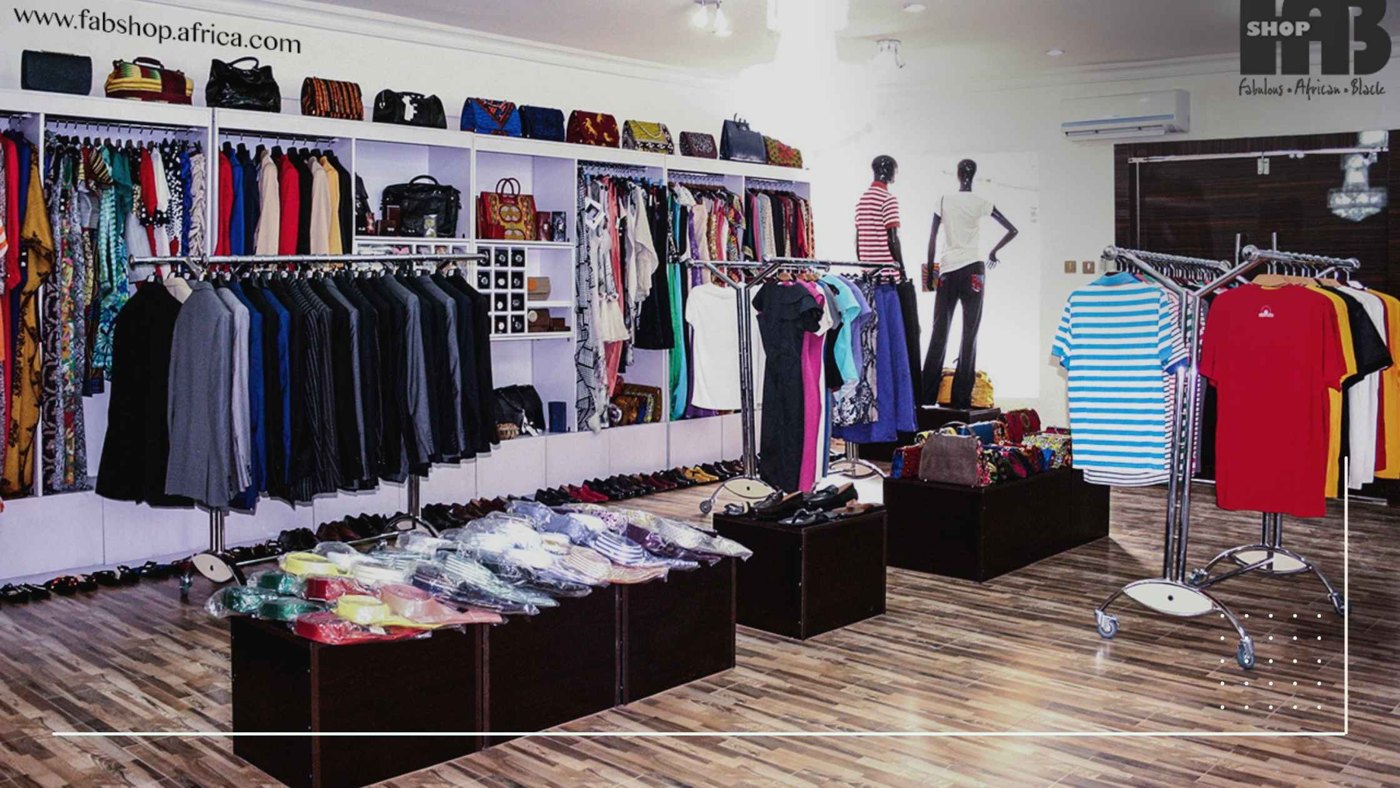
Selling stores
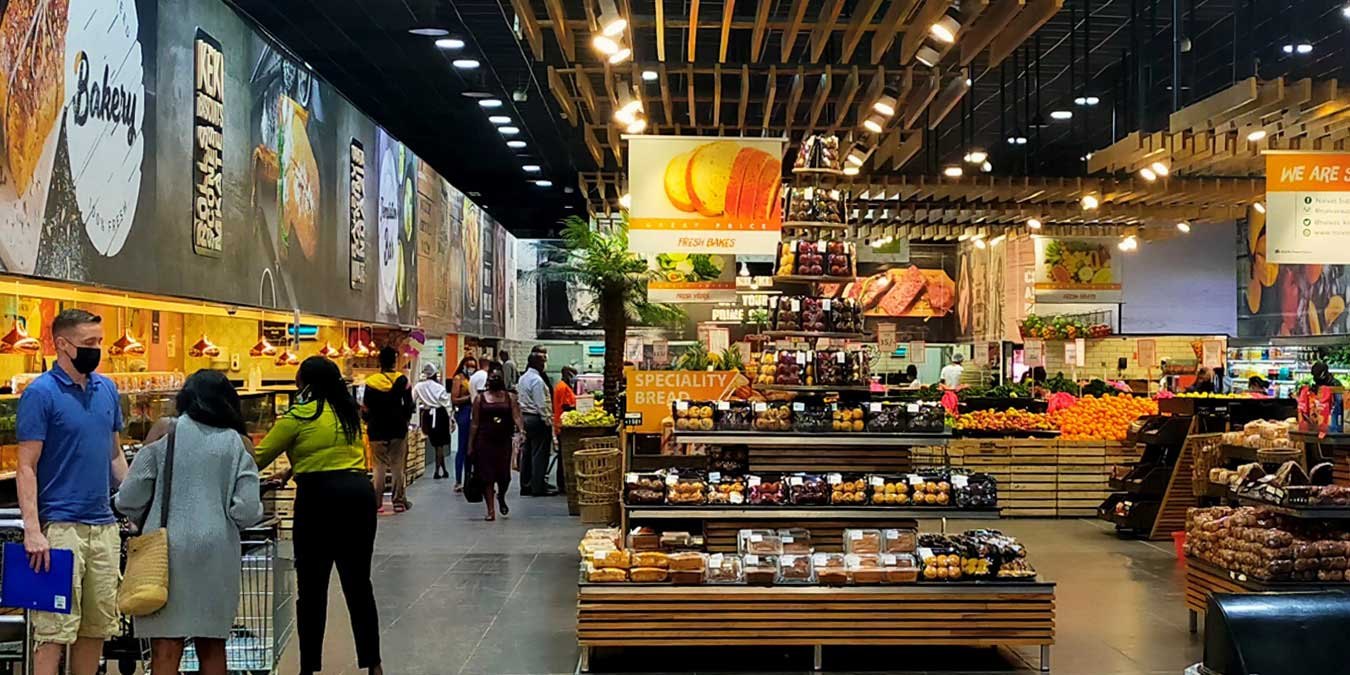
4 Rivers Mall
Boutique
We aren't just making clothing in Nairobi; we are building Kenya's largest consumer network. With a direct market of 10 million members, we provide an immediate, reliable outlet for locally manufactured products through our stores across the country—ensuring local money stays in the local economy.
Ready to be part of it?
See the jobs coming to your county, or tell us you are interested.
Browse jobs Join us